
Want an authentic, immersive trip? Want to find the best provate tours in Romania and Bulgaria? This 2026 travel guide will assist you. Actually, a private tour is the best way to explore Romania and Bulgaria. With a custom itinerary, expert local guides, and a flexible pace, you can dive deep into both countries without feeling rushed.
Bulgaria and Romania are among Europe’s most captivating yet underexplored destinations. Located between the Balkans, the Black Sea, and the Carpathian Mountains, these neighbouring countries offer a compelling mix of cultural heritage, dramatic landscapes and vibrant traditions. This ultimate 2026 travel guide will help you plan your best private tour in Romania and Bulgaria.
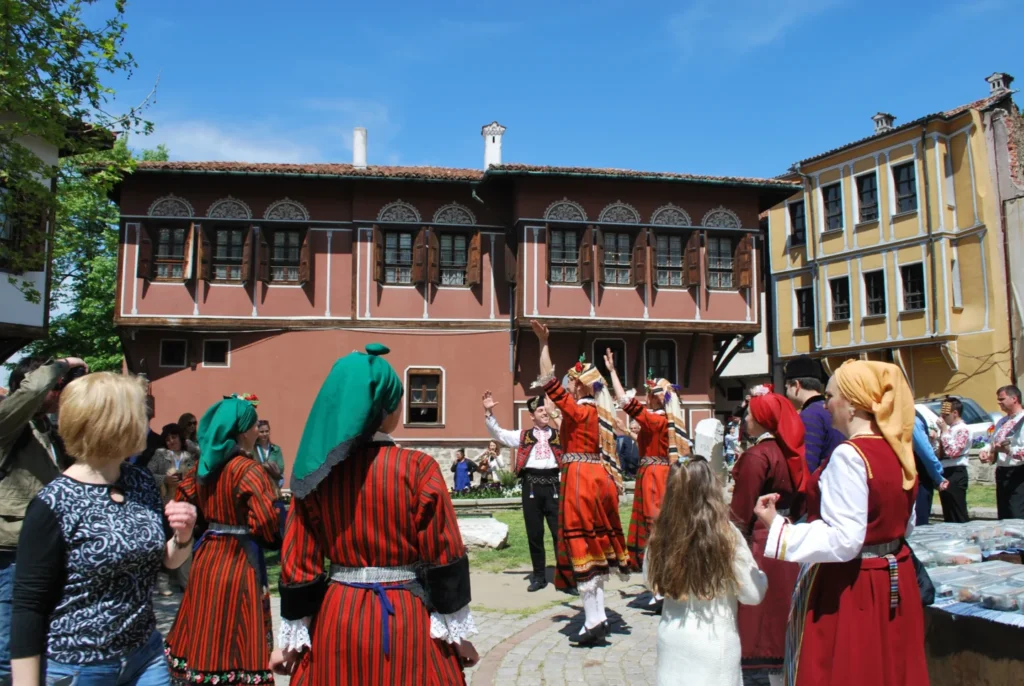
Discover UNESCO monasteries, medieval towns, and scenic mountain roads. A cultural private tour across Romania and Bulgaria brings history to life – showing you the lasting footprint of the Roman, Byzantine, and Ottoman empires. Whether you are planning a short cultural escape or a 14-day custom private tour, a tailored itinerary of Bulgaria and Romania ensures the best way to explore the culture.
Why Choose Custom Private Tours in Bulgaria and Romania?
A custom private tour in Romania and Bulgaria offers significant advantages over group travel. Instead of following a fixed itinerary, you benefit from a fully customised journey designed around your interests.

Key Benefits of Private Tours
- Tailor-made itineraries based on your travel style and interests
- Expert local guides with deep cultural and historical knowledge
- Access to hidden villages, monasteries, and boutique wineries
- Flexible schedules with private transport
- Authentic cultural encounters and immersive local experiences
For travellers interested in heritage, gastronomy, and nature, custom private tours in Bulgaria and Romania provide a richer and more personalised experience.
Best Time for Custom Private Tours in Romania and Bulgaria
Spring (April–June): Best for Culture and Nature
You can visit both countries at any time of year. However, spring offers the best weather for exploring local culture and taking scenic road trips.
Spring highlights:
- Folk festivals in Cluj
- Street food festivals in Iași
- Rose Festival celebrations in Bulgaria’s Rose Valley
- Craft fairs in Bucharest
- Wine and gourmet events in Plovdiv
- Ideal conditions for walking tours and monastery visits
Summer (July–September): Best for Festivals and Coastal Travel
Summer is the peak season for custom cultural tours in Bulgaria and Romania. Festivals, concerts, and events take place across the region.
Summer highlights:
- Open-air festivals in historic towns
- Sighișoara Medieval Festival
- Opera performances at the Ancient Theatre in Plovdiv
- Varna Summer Jazz Festival
- Black Sea coastal tours
- Mountain hiking and scenic drives
Autumn (September–October): Best for Wine and Gastronomy
This season in particular, is the best season for food and wine tours in Bulgaria and Romania. Autumn offers exceptional experiences in gastronomy, heritage, and photography.
Autumn highlights:
- Wine harvest festivals and tastings
- Culinary tours and rural experiences
- Scenic autumn landscapes in mountain regions
How to Plan a Private Tour in Bulgaria and Romania
Planning a multi-country journey requires careful organisation. A well-designed itinerary always needs a local expert. Feel free to contact us when you start planning your trip.
Although Romania is geographically larger than Bulgaria, a balanced itinerary is best achieved through a 60/40 time split (Romania/Bulgaria), rather than equal distance coverage.
The Ideal Time Allocation
| Duration | Romania | Bulgaria | Suggested Route |
| 10 days | 6 days | 4 days | Sofia → Plovdiv → Veliko Tarnovo → Bucharest → Transylvania |
| 14 days | 8 days | 6 days | Bucharest → Transylvania → Bulgaria highlights |
| 21 days | 12 days | 9 days | Grand tour including Bucovina and the Black Sea |
Must-See Highlights in Bulgaria and Romania
In order to create a well-balanced itinerary, include these key destinations:
- Bucharest & Sofia – contrasting capitals with rich history
- Transylvania (Romania) – castles, Saxon towns, and medieval heritage
- Plovdiv (Bulgaria) – one of Europe’s oldest cities with Roman ruins
- Veliko Tarnovo (Bulgaria) – historic medieval capital
- Bucovina Monasteries (Romania) – UNESCO-listed painted churches
- Rila Monastery (Bulgaria) – iconic Orthodox spiritual centre
Practical Tips for Planning a Private Travel to Romania and Bulgaria
Book a Multy-City Flight
Most importantly, fly into one country (e.g. Sofia) and depart from another (e.g. Bucharest). This avoids unnecessary long-distance driving and maximises your travel time.
Border Crossing Between Bulgaria and Romania
The Danube River forms the natural border between the two countries. In fact, the most common crossing points are:
- Ruse (Friendship Bridge)
- Vidin (New Europe Bridge)
Most private tours in Bulgaria and Romania include a smooth change of guides at the border, so your trip continues without any hassle. When you cross the border, your Bulgarian guide is replaced by a Romanian guide (or vice versa), and everything is arranged for you, so you can continue your journey comfortably.
Focus on Efficient Travel Regions
To optimise your itinerary:
- Concentrate on Southern Transylvania in Romania
- Combine it with Bulgaria’s key cultural triangle: Sofia, Plovdiv, and Veliko Tarnovo
Still, this approach reduces travel time while maximising cultural vibes.
Private Tours Romania Bulgaria The Ultimate Travel Guide -Sample Private Tour Routes
7-10 Day Private Tour
With this in mind – Ideal for a shorter trip:
Bucharest → Ruse → Veliko Tarnovo → Sofia
This route offers a compact introduction to both countries.
14–Day Cultural Tour
Therefore, a more in-depth journey:
Bucharest → Brașov → Sighișoara → Sibiu → Bulgaria (Veliko Tarnovo → Plovdiv → Sofia)
Above all, this itinerary provides a comprehensive overview of the region’s history, architecture, and traditions.
Bulgaria and Romania Highlights: Best Private Tour Routes and Experiences
To start with – discover the most compelling private tour highlights in Bulgaria and Romania. So, this guide outlines the essential routes and experiences to include when planning a cultural private tour of Bulgaria and Romania.
Bulgaria Highlights for Private Tours
1. Sofia and Western Bulgaria Heritage Route
Actually, most private tours in Bulgaria begin in Sofia, the capital city, where millennia of history coexist with a dynamic modern culture. The city offers a unique blend of Roman ruins, Ottoman heritage, and Orthodox landmarks.
Key Highlights in Sofia
- Alexander Nevsky Cathedral – one of the largest Eastern Orthodox cathedrals in Europe
- Boyana Church (UNESCO) – famous for its 13th-century frescoes
- Ancient Roman ruins integrated into the modern city
Then, a short drive from Sofia brings you to the iconic Rila Monastery, Bulgaria’s most significant spiritual and cultural landmark. Surrounded by forested mountains, it offers a powerful introduction to Bulgarian history, art, and Orthodox traditions. This route forms the cultural foundation of many Bulgaria private tour itineraries.
2. The Valley of the Thracian Kings
Of course, Central Bulgaria is home to the legacy of the Thracians, one of Europe’s earliest civilisations, making it a key stop on any cultural tour of Bulgaria and Romania. Near Kazanlak lies the renowned Thracian Tomb of Kazanlak (UNESCO), celebrated for its vivid Hellenistic frescoes.
Highlights of the Region
- Ancient Thracian burial mounds and archaeological sites
- The Rose Valley, famous for rose oil production
- Traditional festivals, crafts, and folklore
This region provides deep insight into Bulgaria’s ancient cultural identity and is ideal for history-focused travellers.
3. The Medieval Capitals Route
A highlight of many best private tours in Bulgaria is the exploration of the country’s medieval heritage.
In fact, Veliko Tarnovo, the former capital of the Second Bulgarian Empire, is dramatically set on hills above the Yantra River. Its centrepiece, Tsarevets Fortress, was once the political and spiritual heart of the empire.
Nearby, Arbanasi offers beautifully preserved churches and traditional houses,speaking of the prosperity of the medieval period.
Further east, the archaeological sites of Pliska and Veliki Preslav reveal the origins of the Bulgarian state.
Why This Route Matters
- Rich medieval history and architecture
- Key political and religious centres of Bulgaria
- Essential for heritage-focused private tours
4. Plovdiv and the Rhodope Mountains: Cultural and Artistic Hub
Plovdiv is one of Europe’s oldest continuously inhabited cities and a must-see destination on any Bulgaria and Romania private tour.
Top Attractions in Plovdiv
- Ancient Theatre of Philippopolis
- Colourful Old Town with Revival-era houses
- Art galleries, craft workshops, and vibrant cafés
Nearby, the Rhodope Mountains offer a slower, more authentic experience, rich in folklore and natural beauty.
Experiences in the Rhodopes
- Visits to artisan workshops
- Traditional music performances
- Scenic hiking routes and panoramic viewpoints
In conclusion, this region is ideal for travellers seeking authentic cultural immersion in Bulgaria.
5. The Black Sea Cultural Coast: Private Tours Romania Bulgaria The Ultimate Travel Guide
The Bulgarian Black Sea coast, indeed, combines history, culture, and relaxation, making it a valuable addition to longer private tours in Bulgaria and Romania.
Nessebar, a UNESCO World Heritage Site, is renowned for its medieval churches and cobbled streets overlooking the sea.
Varna, often called the maritime capital, is home to the world’s oldest gold treasure, displayed in the local History Museum.
Coastal Highlights
- Byzantine and medieval heritage sites
- Seaside villages and cultural landmarks
- Boutique wineries producing regional varieties
Therefore, this route is ideal for combining cultural exploration with coastal leisure.
Romania Highlights for Private Tours
1. The Transylvanian Classic Route:
Transylvania private tours are the most popular choice for first-time visitors to Romania.
Key Destinations
- Bucharest – Romania’s vibrant capital
- Sinaia – home to Peleș Castle
- Bran – famously associated with Dracula legends
- Brașov – a charming medieval city
- Sighișoara (UNESCO) – one of Europe’s best-preserved citadels
- Sibiu – a major cultural and historical centre
This route, actually, offers a perfect blend of medieval architecture, Saxon heritage, and beautiful legends.
2. The Spiritual North: Bucovina and Maramureș: Private Tours Romania Bulgaria The Ultimate Travel Guide
Furthermore, Bucovina and Maramureș route is ideal for travellers seeking deeper cultural immersion and a slower pace.
Highlights
- Painted Monasteries of Bucovina (UNESCO) – known for their exterior frescoes
- Wooden Churches of Maramureș (UNESCO)
- Living traditions, rural life, and folklore
Maramureș, in particular, feels like a living museum where centuries-old customs are still preserved.
3. The Danube Delta and Black Sea Route: Private Tours Romania Bulgaria The Ultimate Travel Guide
Specifically perfect for nature lovers, this route focuses on biodiversity and unique ecosystems.
Highlights
- Danube Delta (UNESCO) – Europe’s largest wetland
- Birdwatching and wildlife encounters
- Traditional fishing communities
- Black Sea coastal relaxation
Of course, exploring the delta by private boat offers an exclusive experience.
How to Choose the Best Private Tour in Bulgaria and Romania
Selecting the right private tour itinerary, in particular, depends on balancing time, distance, and travel interests.
1. Time vs Distance: Private Tours Romania Bulgaria The Ultimate Travel Guide
Actually, the Carpathian Mountains in Romania and the Balkan Mountains in Bulgaria are stunning but slow to cross.
For example, for trips under 8 days: focus on one region per country
- Example: Southern Transylvania + Northern Bulgaria
2. Smart Flight Planning (Open-Jaw Strategy): Private Tours Romania Bulgaria The Ultimate Travel Guide
So, to maximise efficiency:
- Start in Bucharest and end in Sofia (or vice versa)
- Avoid round trips that add 6–8 hours of unnecessary driving
This is one of the most important tips for planning a multi-country private tour in Eastern Europe.
3. Choose a Thematic Travel Experience: Private Tours Romania Bulgaria The Ultimate Travel Guide
The best Romania and Bulgaria private tours connect both countries through a shared theme:
- UNESCO Heritage Tours: Bucovina Monasteries + Rila Monastery
- Nature Tours: Danube Delta + Black Sea Coast
- Cultural Tours: Transylvania + Plovdiv & Veliko Tarnovo
Private Tours Romania Bulgaria The Ultimate Travel Guide: Practical Travel Tips
Transportation
Choose tours with modern, air-conditioned vehicles and experienced driver-guides. Mountain roads can be slow, particularly in Bulgaria, where average speeds may be 40–50 km/h.
Accommodation
Select centrally located, high-quality hotels. Staying in city centres enhances your experience, allowing easy access to restaurants, nightlife, and cultural attractions.
Guides
The best guides are not just knowledgeable – they are engaging storytellers who provide deeper cultural context and unique local access.
Conclusion: Why Choose a Private Tour in Bulgaria and Romania?
The best private tours of Romania and Bulgaria are designed to balance depth, comfort, and cultural immersion. Whether you are exploring UNESCO heritage sites, enjoying gastronomy, or discovering ancient civilisations, a private customised itinerary transforms your trip into a deeply enriching experience
All things considered, these are not destinations to rush; they reward curiosity, time, and meaningful engagement.
Bulgaria and Romania are not simply neighbouring countries – they are two complementary halves of a fascinating cultural story.
Ready to start planning?
Explore our signature [14-Day Highlights of Romania & Bulgaria Tour] or contact our team today to design a custom private tour itinerary Romania and Bulgaria, tailored exactly to your travel style.


