Private Tours RomaniaBulgaria@ Vitosha mountain

What Are the Best Private Tours in Romania and Bulgaria? The Ultimate 2026 Travel Guide

Want an authentic, immersive trip? Want to find the best provate tours in Romania and Bulgaria? This 2026 travel guide will assist you. Actually, a private tour is the best way to explore Romania and Bulgaria. With a custom itinerary, expert local guides, and a flexible pace, you can dive deep into both countries without feeling rushed.

Bulgaria and Romania are among Europe’s most captivating yet underexplored destinations. Located between the Balkans, the Black Sea, and the Carpathian Mountains, these neighbouring countries offer a compelling mix of cultural heritage, dramatic landscapes and vibrant traditions. This ultimate 2026 travel guide will help you plan your best private tour in Romania and Bulgaria.
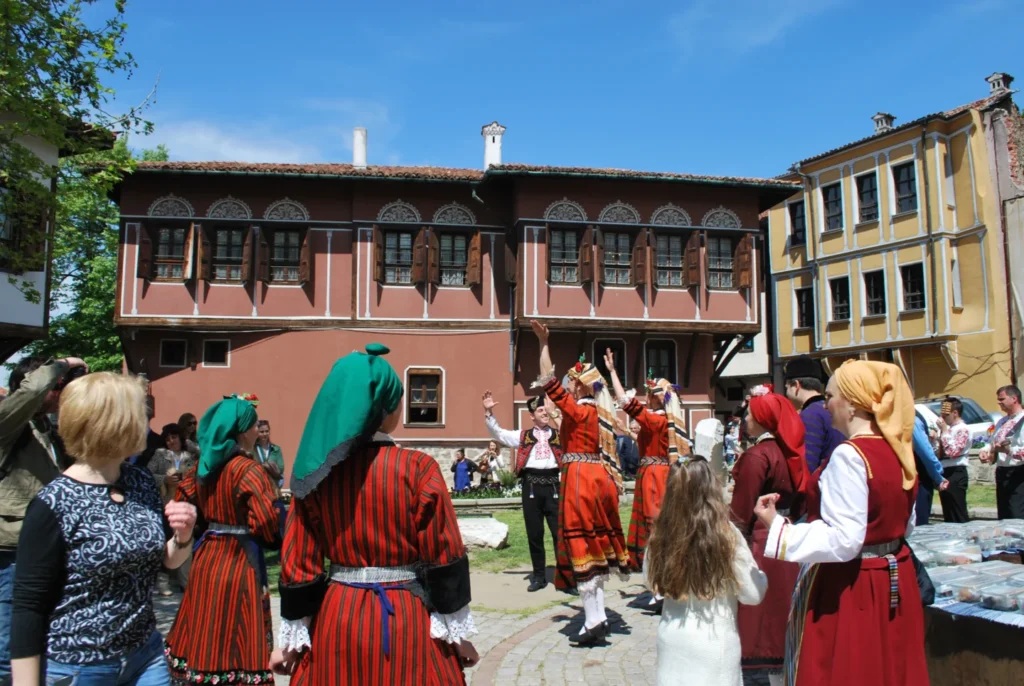
Private Tours Romania Bulgaria Plovdiv

Discover UNESCO monasteries, medieval towns, and scenic mountain roads. A cultural private tour across Romania and Bulgaria brings history to life – showing you the lasting footprint of the Roman, Byzantine, and Ottoman empires. Whether you are planning a short cultural escape or a 14-day custom private tour, a tailored itinerary of Bulgaria and Romania ensures the best way to explore the culture.

A custom private tour in Romania and Bulgaria offers significant advantages over group travel. Instead of following a fixed itinerary, you benefit from a fully customised journey designed around your interests.

Private Tours Bulgaria Romania @ Vitosha mountain
Private Tour @Vitosha 2
  • Tailor-made itineraries based on your travel style and interests
  • Expert local guides with deep cultural and historical knowledge
  • Access to hidden villages, monasteries, and boutique wineries
  • Flexible schedules with private transport
  • Authentic cultural encounters and immersive local experiences

For travellers interested in heritage, gastronomy, and nature, custom private tours in Bulgaria and Romania provide a richer and more personalised experience.

You can visit both countries at any time of year. However, spring offers the best weather for exploring local culture and taking scenic road trips.

Spring highlights:

Summer is the peak season for custom cultural tours in Bulgaria and Romania. Festivals, concerts, and events take place across the region.

Summer highlights:

  • Open-air festivals in historic towns
  • Sighișoara Medieval Festival
  • Opera performances at the Ancient Theatre in Plovdiv
  • Varna Summer Jazz Festival
  • Black Sea coastal tours
  • Mountain hiking and scenic drives

This season in particular, is the best season for food and wine tours in Bulgaria and Romania. Autumn offers exceptional experiences in gastronomy, heritage, and photography.

Autumn highlights:

Planning a multi-country journey requires careful organisation. A well-designed itinerary always needs a local expert. Feel free to contact us when you start planning your trip.

Although Romania is geographically larger than Bulgaria, a balanced itinerary is best achieved through a 60/40 time split (Romania/Bulgaria), rather than equal distance coverage.

DurationRomaniaBulgariaSuggested Route
10 days6 days4 daysSofia → Plovdiv → Veliko Tarnovo → Bucharest → Transylvania
14 days8 days6 daysBucharest → Transylvania → Bulgaria highlights
21 days12 days9 daysGrand tour including Bucovina and the Black Sea

In order to create a well-balanced itinerary, include these key destinations:

  • Bucharest & Sofia – contrasting capitals with rich history
  • Transylvania (Romania) – castles, Saxon towns, and medieval heritage
  • Plovdiv (Bulgaria) – one of Europe’s oldest cities with Roman ruins
  • Veliko Tarnovo (Bulgaria) – historic medieval capital
  • Bucovina Monasteries (Romania) – UNESCO-listed painted churches
  • Rila Monastery (Bulgaria) – iconic Orthodox spiritual centre

Most importantly, fly into one country (e.g. Sofia) and depart from another (e.g. Bucharest). This avoids unnecessary long-distance driving and maximises your travel time.

The Danube River forms the natural border between the two countries. In fact, the most common crossing points are:

  • Ruse (Friendship Bridge)
  • Vidin (New Europe Bridge)

Most private tours in Bulgaria and Romania include a smooth change of guides at the border, so your trip continues without any hassle. When you cross the border, your Bulgarian guide is replaced by a Romanian guide (or vice versa), and everything is arranged for you, so you can continue your journey comfortably.

To optimise your itinerary:

  • Concentrate on Southern Transylvania in Romania
  • Combine it with Bulgaria’s key cultural triangle: Sofia, Plovdiv, and Veliko Tarnovo

Still, this approach reduces travel time while maximising cultural vibes.

7-10 Day Private Tour

With this in mind – Ideal for a shorter trip:

Bucharest → Ruse → Veliko Tarnovo → Sofia
This route offers a compact introduction to both countries.

14–Day Cultural Tour

Therefore, a more in-depth journey:

Bucharest → Brașov → Sighișoara → Sibiu → Bulgaria (Veliko Tarnovo → Plovdiv → Sofia)

Above all, this itinerary provides a comprehensive overview of the region’s history, architecture, and traditions.

To start with – discover the most compelling private tour highlights in Bulgaria and Romania. So, this guide outlines the essential routes and experiences to include when planning a cultural private tour of Bulgaria and Romania.

1. Sofia and Western Bulgaria Heritage Route

Actually, most private tours in Bulgaria begin in Sofia, the capital city, where millennia of history coexist with a dynamic modern culture. The city offers a unique blend of Roman ruins, Ottoman heritage, and Orthodox landmarks.

Key Highlights in Sofia

  • Alexander Nevsky Cathedral – one of the largest Eastern Orthodox cathedrals in Europe
  • Boyana Church (UNESCO) – famous for its 13th-century frescoes
  • Ancient Roman ruins integrated into the modern city

Then, a short drive from Sofia brings you to the iconic Rila Monastery, Bulgaria’s most significant spiritual and cultural landmark. Surrounded by forested mountains, it offers a powerful introduction to Bulgarian history, art, and Orthodox traditions. This route forms the cultural foundation of many Bulgaria private tour itineraries.

2. The Valley of the Thracian Kings

Of course, Central Bulgaria is home to the legacy of the Thracians, one of Europe’s earliest civilisations, making it a key stop on any cultural tour of Bulgaria and Romania. Near Kazanlak lies the renowned Thracian Tomb of Kazanlak (UNESCO), celebrated for its vivid Hellenistic frescoes.

Highlights of the Region

  • Ancient Thracian burial mounds and archaeological sites
  • The Rose Valley, famous for rose oil production
  • Traditional festivals, crafts, and folklore

This region provides deep insight into Bulgaria’s ancient cultural identity and is ideal for history-focused travellers.

3. The Medieval Capitals Route

A highlight of many best private tours in Bulgaria is the exploration of the country’s medieval heritage.

In fact, Veliko Tarnovo, the former capital of the Second Bulgarian Empire, is dramatically set on hills above the Yantra River. Its centrepiece, Tsarevets Fortress, was once the political and spiritual heart of the empire.

Nearby, Arbanasi offers beautifully preserved churches and traditional houses,speaking of the prosperity of the medieval period.

Further east, the archaeological sites of Pliska and Veliki Preslav reveal the origins of the Bulgarian state.

Why This Route Matters

  • Rich medieval history and architecture
  • Key political and religious centres of Bulgaria
  • Essential for heritage-focused private tours

4. Plovdiv and the Rhodope Mountains: Cultural and Artistic Hub

Plovdiv is one of Europe’s oldest continuously inhabited cities and a must-see destination on any Bulgaria and Romania private tour.

Top Attractions in Plovdiv

  • Ancient Theatre of Philippopolis
  • Colourful Old Town with Revival-era houses
  • Art galleries, craft workshops, and vibrant cafés

Nearby, the Rhodope Mountains offer a slower, more authentic experience, rich in folklore and natural beauty.

Experiences in the Rhodopes

  • Visits to artisan workshops
  • Traditional music performances
  • Scenic hiking routes and panoramic viewpoints

In conclusion, this region is ideal for travellers seeking authentic cultural immersion in Bulgaria.

5. The Black Sea Cultural Coast: Private Tours Romania Bulgaria The Ultimate Travel Guide

The Bulgarian Black Sea coast, indeed, combines history, culture, and relaxation, making it a valuable addition to longer private tours in Bulgaria and Romania.

Nessebar, a UNESCO World Heritage Site, is renowned for its medieval churches and cobbled streets overlooking the sea.

Varna, often called the maritime capital, is home to the world’s oldest gold treasure, displayed in the local History Museum.

Coastal Highlights

  • Byzantine and medieval heritage sites
  • Seaside villages and cultural landmarks
  • Boutique wineries producing regional varieties

Therefore, this route is ideal for combining cultural exploration with coastal leisure.

1. The Transylvanian Classic Route:

Transylvania private tours are the most popular choice for first-time visitors to Romania.

Key Destinations

  • Bucharest – Romania’s vibrant capital
  • Sinaia – home to Peleș Castle
  • Bran – famously associated with Dracula legends
  • Brașov – a charming medieval city
  • Sighișoara (UNESCO) – one of Europe’s best-preserved citadels
  • Sibiu – a major cultural and historical centre

This route, actually, offers a perfect blend of medieval architecture, Saxon heritage, and beautiful legends.

2. The Spiritual North: Bucovina and Maramureș: Private Tours Romania Bulgaria The Ultimate Travel Guide

Furthermore, Bucovina and Maramureș route is ideal for travellers seeking deeper cultural immersion and a slower pace.

Highlights

  • Painted Monasteries of Bucovina (UNESCO) – known for their exterior frescoes
  • Wooden Churches of Maramureș (UNESCO)
  • Living traditions, rural life, and folklore

Maramureș, in particular, feels like a living museum where centuries-old customs are still preserved.

3. The Danube Delta and Black Sea Route: Private Tours Romania Bulgaria The Ultimate Travel Guide

Specifically perfect for nature lovers, this route focuses on biodiversity and unique ecosystems.

Highlights

  • Danube Delta (UNESCO) – Europe’s largest wetland
  • Birdwatching and wildlife encounters
  • Traditional fishing communities
  • Black Sea coastal relaxation

Of course, exploring the delta by private boat offers an exclusive experience.

Selecting the right private tour itinerary, in particular, depends on balancing time, distance, and travel interests.

Actually, the Carpathian Mountains in Romania and the Balkan Mountains in Bulgaria are stunning but slow to cross.

For example, for trips under 8 days: focus on one region per country

  • Example: Southern Transylvania + Northern Bulgaria

2. Smart Flight Planning (Open-Jaw Strategy): Private Tours Romania Bulgaria The Ultimate Travel Guide

So, to maximise efficiency:

  • Start in Bucharest and end in Sofia (or vice versa)
  • Avoid round trips that add 6–8 hours of unnecessary driving

This is one of the most important tips for planning a multi-country private tour in Eastern Europe.

3. Choose a Thematic Travel Experience: Private Tours Romania Bulgaria The Ultimate Travel Guide

The best Romania and Bulgaria private tours connect both countries through a shared theme:

  • UNESCO Heritage Tours: Bucovina Monasteries + Rila Monastery
  • Nature Tours: Danube Delta + Black Sea Coast
  • Cultural Tours: Transylvania + Plovdiv & Veliko Tarnovo

Transportation

Choose tours with modern, air-conditioned vehicles and experienced driver-guides. Mountain roads can be slow, particularly in Bulgaria, where average speeds may be 40–50 km/h.

Accommodation

Select centrally located, high-quality hotels. Staying in city centres enhances your experience, allowing easy access to restaurants, nightlife, and cultural attractions.

Guides

The best guides are not just knowledgeable – they are engaging storytellers who provide deeper cultural context and unique local access.

The best private tours of Romania and Bulgaria are designed to balance depth, comfort, and cultural immersion. Whether you are exploring UNESCO heritage sites, enjoying gastronomy, or discovering ancient civilisations, a private customised itinerary transforms your trip into a deeply enriching experience

All things considered, these are not destinations to rush; they reward curiosity, time, and meaningful engagement.

Bulgaria and Romania are not simply neighbouring countries – they are two complementary halves of a fascinating cultural story.

Ready to start planning?

Explore our signature [14-Day Highlights of Romania & Bulgaria Tour] or contact our team today to design a custom private tour itinerary Romania and Bulgaria, tailored exactly to your travel style.

Vine and Wine Culture of Bulgaria

First, vine and the wine culture of Bulgaria have deep roots in history. Then, through the generations, Bulgarian people have long since heard stories about elder women in villages up and down the country and their wine culture who, according to folklore, used to feed children “popara with wine” (bread soaked in wine). Finally, today people are not sure whether there is any truth to this. Maybe “popara with wine” is only a bedtime story for children. And maybe 100 years ago this was a common practice in Bulgarian provinces, who knows?

Thracian Valley Vines
Bulgarian-Wine-and-Wine-Culture-Thracian Valley
Bulgarian Wine-and-WineCulture-ZafreusWinery
Bulgarian-Wine-and-Wine-Culture-Strouma-Valley-Logodaj

Prof. Mutafchiev, the famous Bulgarian historian claims that the Black Sea region of Bulgaria is the home of the vine.  Moreover, Dionysus, the ancient God of wine, originated in Ancient Thrace. Ancient Greeks, who were the southern neighbours to the Thracian people, “borrowed” this God from the Thracians.  The Greeks, being one of the few literate peoples at that time, inscribed these stories.  Unfortunately, unlike the Greeks, Thracians had no alphabet then, so they were unable to document this knowledge. Thus making it difficult to prove that viticulture originated in Bulgaria. 

Bulgarian Wine-and-Wine Culture
Bulgarian-Wine-and-Wine-Culture-Zagreus-barrels
Bulgarian-Wine-and-Wine-Culture-Thracian-Valley-Zagreus
Bulgarian Wine-and-Wine-Culture-Bessa-Valley-winery

Vine and Wine Culture of Bulgaria

Once upon a time Bulgaria was one of the top wine producers in the world. Things changed after the fall of communism in the late 1980’s.  Today, Bulgaria is one of the three biggest wine producing nations in Eastern Europe. Gradually, the Bulgarian wine industry has been transformed during the last two decades.  Different international projects have helped modernise and bring our wine industry up to global standards.  As a result, many new wine estates have been established throughout the country.  Rather than having grape brandy (known locally as Rakiya), people are increasingly opting to have wine with their Shopska salad. 

Bulgaria’s Wine regions

Bulgaria, with only 42 000 square miles of territory, has 5 wine growing regions. Here they are: the Thracian Valley, the Rose Valley, the Struma Valley, the Black Sea and the Danube River Plains.  Each and every one of these has its own unique local wine varieties.

First is the The Thracian Valley. It is the best known and oldest region of all. It produces the most wines, around 35%. The Thracian Valley wine region produces the famous red wine Mavrud. Then Merlot, Cabernet Sauvignon, Muscat and Pamid follow.

Second is the Rose Valley. It is famous for its production of Muscat, Riesling, Cabernet Sauvignon and Merlot. Red misket made Sungurlare Valley sub-region notable for this red variety

The Struma River Valley which is a relatively small region, has unique climatic conditions which are quite similar to Mediterranean regions. It is famous for a variety of vines called “Broad Leaved Vine of Melnik”. Cabernet Sauvignon, Merlot and Pamid varieties are among the most popular varieties in the region.

The Black Sea Coastal Eastern region

Actually, about 53% of all white wine varieties are concentrated in this region (Dimyat, Traminer, Sauvignon Blanc, Muscat, Gevürztraminer, Riesling). Long and mild autumns are typical for the region. And that helps the accumulation of sugars required to make fine white wine.

The Danube River Plains

The region produces around 30% of Bulgarian wines. Hot summers with long sunny days boost the traditional viticulture. The local Gamza is a popular style in the region. Muscat Ottonel, Cabernet Sauvignon, Chardonnay and Pamid are also produced here.

We all know that the wine world is extremely diverse and highly competitive. Bulgarian winemakers try to specialize in the niche of high-quality wines made of local vine varieties. Some of them even go one step further and claim organic status.

Vine Varieties – Vine and Wine Culture of Bulgaria

First of all, find some of the best-known local varieties here.

Let’s start the presentation with Mavrud, the most famous of all. It’s a local red grape variety, cultivated here since ancient times. Mavrud grapes are ripening very late, at the beginning of October. It is one of the best local Bulgarian varieties for making high-quality red wine. One can find Mavrud in the regions of Plovdiv and Pazardjik.

Next comes Rubin. It is a red variety, also a local original Bulgarian selection. This cross-variety between Nebbiolo and Syrah is used for producing dessert and table wines. As a result, Rubin wines have a ruby color and typical aroma of berries. Often blended with Mavrud to create a 100% Bulgarian blend.

Broad Leaved Melnik Vines

Thirdly,Broad-leaved Melnik Vine. It is an endemic. Actually, you won’t find this vine variety elsewhere, except in the region of Melnik. Melnik 55 is one of the hybrid varieties created from this grape variety. Local winemakers cultivate Melnik-55 for the production of dry and semi-dry wines.

Pamid

This pink-skinned grape variety is another grape that is only native to Bulgaria. Winemakers use Pamid for producing light red table wines, designed for early consumption.

Gamza

Gamza is a red grape variety. Bulgarians cultivate Gamza since ancient times. Nowadays, it is cultivated mainly in north-western Bulgaria. Gamza is rarely found in Southern Bulgaria. Gamza is a late-ripening variety – it ripens at the end of September or beginning of October.

Dimyat

A white grape variety cultivated mainly along the Black Sea coast. Wine-makers use it for the production of dry white wines.

Misket

Misket is another local vine variety, a mix of Dimyat and Riesling. It is cultivated in the region of Karlovo.

Vine and Wine Culture of Bulgaria: Wine Tours and Wine Destinations

In summary, as you can see, there are many varieties around the country. Therefore, this makes it hard to visit each region and sample all wines during one short trip.

The three regions are the most densely populated with new, boutique wineries. And that is the Thracian, the Rose and the Struma Valleys. It’s possible to visit 10-12 wineries within 4-5 days. Several wineries have created a Bulgarian version of a sparkling wine. For one thing, we believe that you will be pleasantly surprised by the quality, drinkability and price.

In the end, for that reason Wine tours are an excellent way to meet local people and immerse yourself in the local wine culture.  And, of course, to taste huge variety of Bulgarian wines.

The Festivals

All in all, the younger generation of Bulgarian winemakers are quite active. To put it another way, they created the annual “Young Wine Festival”, You can visit it, too, in the Old Town of Plovdiv at the end of October. So much so, 2021 was the first year of a new festival, the so called “Mavrud Days”. This is bringing a new start for promoting Mavrud local wine variety. In fact, every wine region organizes a local wine festival and some are really worth a visit.

Finally, it’s vital to keep in mind the ancient Latin phrase “In Vino Veritas” (In Wine, There is Truth).

Enjoy the wine. Наздраве!  (Cheers!)

FAQ: Romania, Bulgaria & N.Macedonia Private Tours With Brill Travel

Explore our frequently asked questions on Romania, Bulgaria & N. Macedonia private tours with Brill Travel.

Below, you will find expert insights on our customizable private itineraries and regional travel logistics. Find answers to your queries and frequently asked questions on Romania Bulgaria Private Tou

Who are your private cultural tours designed for?

Our private cultural Balkans tours are ideal for travellers who want an in depth cultural experience, including individuals, couples, families, and small groups seeking personalized, hand-crafted itineraries. Though small in size, Bulgaria holds a profound legacy shaped by 7,000 years of civilization. Located in the heart of the Balkan peninsula, Bulgaria is an ideal starting point for visiting the neighbouring Balkan countries Romania, North Macedonia, Greece.

Do you offer adventure tours?

We do offer adventure activities. For example, for our younger guests, we organize dedicated adventure days alongside the cultural visits. Again, depending on the itinerary and the season, these may include canyoning, caving, kayaking, or trekking activities.

Which services does the tour package price include?

Usually, our tour packages typically include accommodations, transportation during the tour, guided services, and itinerary planning. You will find specific inclusions for each tour under the “Tour Price Includes” section.

What types of accommodations are provided – 3-star, 4-star, or customizable to 5-star?

Some tour itineraries include 3-star hotels, while others feature a combination of 3-star and 4-star properties. We carefully select highly rated hotels that meet modern comfort standards. Upon request, we can upgrade your stay to 5-star accommodations wherever available.

Individual questions in the first section

Are meals included:

Of course, all breakfasts are included. Some meals may be included, too, depending on the itinerary. Specific details are provided for each tour. As dining preferences vary widely, we carefully select restaurants known for high-quality local cuisine.

What type of transportation do you use for land travel during the tours?

Transportation varies by tour and may include private vehicles:
Sedan for 2-3 people,
8-seater minibus for 4-6 people,
17-seater for 8-14 people,
and 40-seater for larger groups.

Are self-guided options available with just a driver, and how do they differ in price?

Yes, we offer seven tours with a self-guided option that includes a driver only (no tour guide). Our most popular program in this format is UNESCO World Cultural Heritage in Bulgaria. The self-guided option is approximately 30% less expensive than the fully guided version.
 

How far in advance should I book?

Certainly, we recommend booking as early as possible to secure your preferred dates, accommodations, and guides – especially during peak travel seasons. In fact, in Bulgaria, this includes the Rose Festival period (May 25 – June 10), when the roses are in full bloom.
And we consider booking requests within 60 days of travel last-minute and operate according to availability.


Multi-Country Private Tours in Romania, Bulgaria & North Macedonia

Do you offer private multi-country tours through the Balkans?

Yes! We provide a variety of customizable cultural routes across three neighboring Balkan countries: Romania, Bulgaria, and North Macedonia. Our private itineraries feature major landmarks and historical sites in key destinations, including:
Bulgaria: Sofia, Plovdiv, and Veliko Tarnovo.
Romania: Bucharest, Brasov, and Sibiu.
North Macedonia: Skopje and the UNESCO site of Ohrid.

How do we handle border crossings between Romania, Bulgaria, and North Macedonia?

Firstly, on our private Balkan tours, we handle all the logistics of border crossings for you. Your professional driver and guide will manage the paperwork and navigate the checkpoints at the land borders between Romania, Bulgaria, or North Macedonia. We monitor traffic and border wait times in real-time to ensure your itinerary remains seamless and stress-free.

What currency do I need for a multi-country tour of the Balkans?

Bulgaria joined the EUROZONE in 2026 and you can pay in EUR. Romania uses its own currency: the Romanian Leu (RON), and North Macedonia uses the Macedonian Denar (MKD). You can use your credit cards in the major cities like Bucharest and Sofia. Anyway, we recommend carrying a small amount of local cash for rural areas, local markets, and small souvenir shops. Surely, your guide will assist you in finding reputable exchange offices or ATMs with the best rates during the tour.
 

Individual questions in the second section

Can I combine specific landmarks like Dracula’s Castle and Rila Monastery in one trip?

Absolutely. We specialize in bespoke Balkan itineraries. You can easily combine iconic sites like Bran Castle (Dracula’s Castle) in Transylvania with Bulgaria’s Rila Monastery or North Macedonia’s Lake Ohrid. In short, since our tours are private, we can adjust the pace, add extra days in your favourite cities, or include niche experiences like wine tasting in the Melnik region or a traditional egg painting in Romania.

Do the tours include a local guide, and in what language?

Yes. All our private guided tours include a local guide, native of Bulgaria, Romania and North Macedonia. Guiding is available in several languages depending on your needs. Our best guides speak English, German, Spanish, French.

Does Brill Travel offer visa assistance or backup support?

We do not offer visa assistance or related support, as all our guests are visa-exempt. Please ensure your passport is valid for at least 6 months. Most Western travellers (US, UK, EU, Canada, Australia) do not require a separate visa for short stays in Romania, Bulgaria and North Macedonia.
 

BURGAS BEYOND THE CROWDS: The Ultimate Private Tour Experience

Burgas Private Tour Experience

Burgas is the second largest city on the Bulgarian Black Sea coast, located at the largest bay – the Gulf of Burgas. Incredibly, in recent years it has become a magnet for many – both Bulgarians and foreigners. And Burgas private tour experience is worth the effort.

At first, let’s start with a walk along the pedestrian streets of Burgas, starting at “Troika” Square. You will understand where the name of this iconic place for Burgas residents comes from. And the story is simple – in 1934 a tall pillar with three lamps was erected on this square, which gave it its present name “Troika”. The busiest pedestrian street in Burgas, which leads to the sea and is exactly 666 m long, is Stefan Bogoridi Street.

It is also home to the History Museum, which tells the story of the town’s origins as a fishing village in the 17th century. Burgas developed as an industrial centre after 1890, following the construction of the railway from Sofia.

Certainly, a private tour with a local will save you time and answer all your queries.

Start with the Sea Garden (Morska Gradina)

To start with, your Burgas private tour experience will take you to the Sea Garden. Begin at this iconic park, a symbol of Burgas. Stroll through its lush greenery, enjoy views of Burgas Bay, and take in the vibrant atmosphere with cafes, statues, and beach access. From the terrace of the Sea Casino you will enjoy a fascinating view. Surely, on a private tour there is always time for a rest and a coffee break.

Visit “The Bridge” (Mosta), a T-shaped pier offering scenic views and a chance to reconnect with the sea.

Continue to the harbour area. This part of Burgas has been renovated and is now a favourite place for walks, especially at sunset.

Explore the Lakes and Nature

Head to Lake Atanasovsko, known for its pink saltwater and flamingos. Carry on with your Burgas private tour experience. You can also explore the salt-pans to learn about traditional salt production.

Visit Poda Protected Area, a haven for birdwatchers with over 260 bird species.

The region around Burgas, Bulgaria, is a paradise for nature lovers, offering a stunning blend of lakes, wetlands, and coastal beauty. The Burgas Lakes—Atanasovsko, Vaya, Mandrensko, and Pomorie—are rich in biodiversity. They attract thousands of migratory birds. The Poda Protected Area is a must-visit for birdwatchers, home to rare species like the Dalmatian pelican and pygmy cormorant. Nearby, the Burgas salt mines provide a unique landscape where salt extraction supports both industry and wildlife. The area’s pink-hued salt pans also offer healing mud baths. This natural wonderland is perfect for eco-tourism, photography, and peaceful outdoor escapes.

The best seasons for birdwatching in the Burgas region, especially in the Poda Protected Area and the Burgas Lakes, are spring (March-May) and autumn (August-October). These are peak migration periods when thousands of birds pass through the region on the Via Pontica migration route.

Burgas Birdwatching

Birds You Can See on a Private Tour

Spring/Summer: Dalmatian pelican, pygmy cormorant, white-tailed eagle, black-winged stilt, spoonbill, glossy ibis

Autumn: Storks, pelicans, honey buzzards, eagles, and falcons

Winter: Red-breasted goose, greater white-fronted goose, smews, and various ducks

In short, the diversity makes Burgas a year-round birdwatching destination!

Discover the Lye and Healing Mud SPA with a Private Tour

  • Location: Lye and mud pools at Atanasovsko Lake are located North of Burgas, a 20-minutes’ drive away.
  • Experiences: Are you ready to spend some time floating in the salt lake, covering oneself in healing mud?  And then wash off in the nearby Black Sea? This natural spa is no longer free of charge, as it used to be. For a small fee you will be able to feel the magic of 4 natural factors: Sun – Sea – Lye – Mud
  • Lye  info: Lye is a product of salt extraction and contains only inorganic substances – sodium chloride, magnesium, potassium, sulphur etc. It is obtained after evaporation and concentration of the salts in the lake water during the salt extraction process.
Burgas Private Tour Experience

The Black Sea lye has a proven medical effect. It is used in the treatment and prophylaxis of conditions related to the locomotor system, skin inflammations, varicose veins and colds. It is recommended for arthrosis, arthritis tendinitis, discopathy, joint dislocation.

MUD SPA – A Presious Resourse

  • Mud info: The healing mud is a sediment product of the closed salt lake. It is clean and homogenous, with dark grey to black colour and smell of hydrogen sulphide. It contains inorganic compounds such as silicates, sands, gypsum, iron and aluminium compounds, various hydroxides and salts. This composition has been formed for millennia by the putrefaction of unicellular organisms, algae, fish, crayfish, mussels. One centimetre of healing mud is formed for a minimum period of one year.

The essence of the healing mud treatment is its complex effect on the entire peripheral nervous system. Thus, mud treatment reduces swelling and pain, heals scars, improves the metabolic and regenerative processes.

In addition to healing, the mud is beautifying and rejuvenating. All the minerals, i.e. calcium, iodine, phosphorus are absorbed by the skin. You will see for yourself why local people often visit the pools daily, after work.

BURGAS Mud Baths

Dive into History at Aquae Calidae

Discover the ancient baths and thermal springs at Aquae Calidae. (In translation – hot springs) Aquae Calidae is an ancient settlement with a rich history spanning millennia. It has been a renowned spa and healing center since antiquity, drawing visitors due to its mineral springs.

Located just 14 km northwest of Burgas, Aqua Calidae is an interesting site for all those tempted by ancient and mediaeval history. You can see the fully restored Baths of Sultan Suleiman the Magnificent. He visited Aquae Calidae in 1562 and ordered the construction of a Turkish bath. The culrative waters here helped the Sultan gwt rid of a gout . Beautuful marble and cermics, typical of Ottoman architecture, make this bath a key attraction today.

A Private Tour Visit to St. Anastasia Island

Getting to this mysterious island requires a boat trip from Burgas. Regular boat services connect the island to Burgas, making it easily accessible for day trips.

Visiting St. Anastasia Island offers a unique blend of history, culture, and natural beauty. It is an attractive destination for travellers. Here are some compelling reasons to visit:

Historical Significance

  • Monastery and Church. The island is home to the oldest church in the Burgas region, the ”Ascension” church. It dates back to the 12th – 14th centuries. It features beautiful frescoes and an impressive iconostasis (1802)
  • Former prison: The monastery was converted into a prison during the early 20th century.

Cultural attractions:

  • Interactive museum: The former monastery building now houses and interactive museum showcasing the island’s history .
  • Lighthouse: Built by a French company in 1889q the lighthouse offers a stunning views and is a notable landmark.

Natural Beauty and Legends

  • Rock Formations: The island is famous for its unique rock formations. You will see “The Mushrooms” and “The Fossilized Pirate Ship” and hear the local legendaty stories.
  • Herbal Garden: It’s fun to explore a healing garden. You can learn how to grow herbs and prepare aromatic teas.

Romantic experiences

  • Enjoy breathtaking sunset from the island, which are particularly popular during summer evening.

Sea-side and Beaches

There are several beautiful beaches close by, each offering unique experiences.

It’s up to you to choose between the Central Beach Burgas, the Northern Beach Burgas, Kraymorie or Sarafovo. You might find it strange, but the sand at some areas is black. This dark coloration is due to the presence of minerals such as iron and manganese, which are common here.

Should you need golden sands, just drive 40 km south to Sozopol, or 40 km north, to the resort area of Sunny beach. You will find long sandy beaches in Obzor, too.

Indulge in Local Cuisine

Enjoy fresh seafood at local restaurants offering dishes like vine-wrapped trout or mussels in tomato sauce. Pair your meal with traditional Bulgarian sides for an authentic experience.

As the restaurant business nowadays is quite dynamic, the best advice to follow is to ask the locals. The best restaurants provide a blend of local Bulgarian cuisine and international flavours, catering to various tastes and preferences.

My personal experience from last summer was quite positive. We spend hours at “Al Mare” beach restaurant and bar, enjoying the sea view. “Doc 5” is another fine place, located at Burgas Port, with gorgeous sunset vibes. Walking downtown, stop at “Oreha” or at “Di Verso “. Each place offers quality food and friendly service.

Summer Festivals – Burgas Private Tour Experience

Burgas is a coastal city that comes alive in the summer with an exciting lineup of festivals. From music and arts to food and film, Burgas offers a festival for every taste. With the Black Sea as a backdrop, these events attract locals and tourists alike, creating an unforgettable summer atmosphere.

For example, to name only the most popular:  Spirit of Burgas (SPICE Music festival), Burgas Sand Festival, Burgas Jazz Festival , International Folklore Festival,  Kite Festival, Puppets Festival.

With its diverse and exciting festivals, Burgas is a summer hotspot for music, art, and cultural experiences. Actually, whether you love live concerts, artistic displays, or traditional folklore, this beautiful seaside city has something special to offer.

All things considered, only few of us are the lucky ones who can stay in Burgas longer. No matter how much time you have, you will always be able to explore Burgas and feel the spirit of this vibrant city.